Homepage Redesign

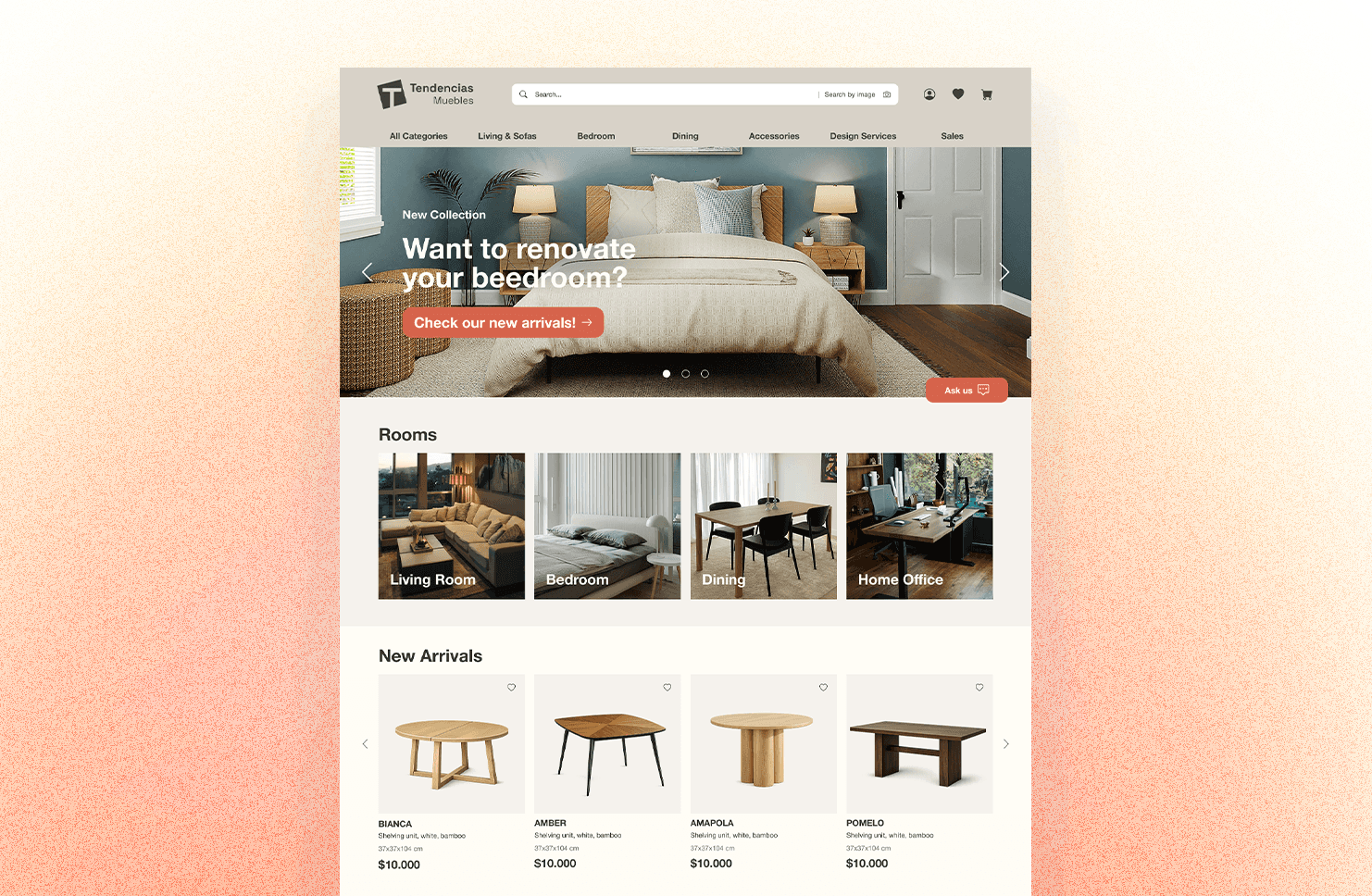
The most valuable space on the homepage was underperforming. An A/B tested redesign of the hero section, built as a modular system adaptable to regulated markets, delivered measurable improvements across all three test markets.

Homepage Redesign

The most valuable space on the homepage was underperforming. An A/B tested redesign of the hero section, built as a modular system adaptable to regulated markets, delivered measurable improvements across all three test markets.

COMPANY

Blexr

Role

UX/UI Designer

COMPANY

Blexr

Role

UX/UI Designer

COMPANY

Blexr

Role

UX/UI Designer

Bounce rate reduction

-8.5% (NZ)

Conversion to real-money pages

+13% (US)

Clickouts

+3% (US) +2.8% (NZ)

The problem

The problem

The problem with the most visible space on the page

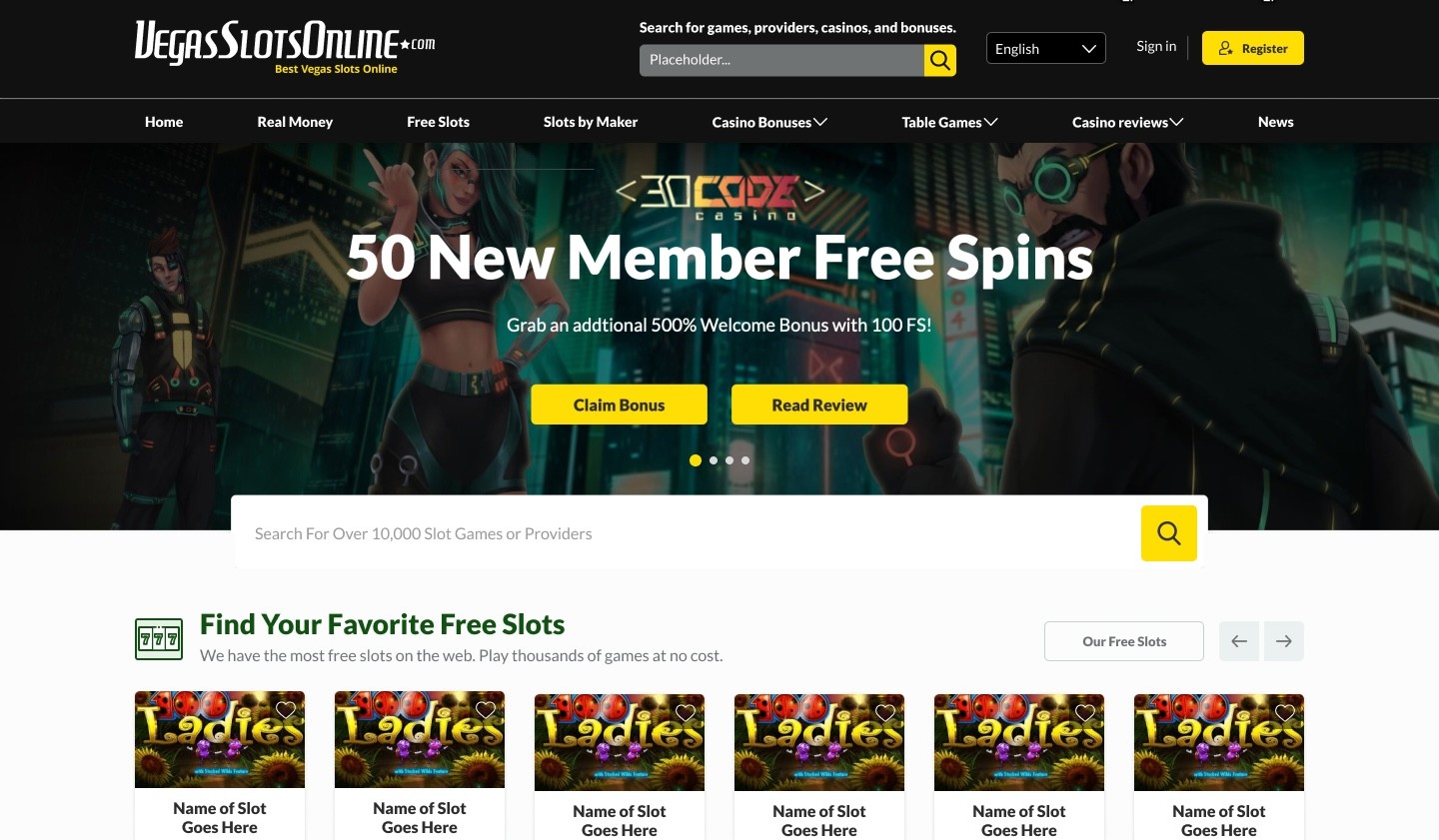
The hero section on VegasSlotsOnline was the most monetised area of the homepage. It ran a rotating carousel of partner promotions, sat above the fold, and should have been driving engagement. It was not. Heatmap data showed that nearly all interaction was concentrated on the first slide. Users were scrolling past the hero to reach game listings and bonus sections, largely ignoring the space we were relying on most.

The commercial goal was clear: improve monetisation and conversion. The user goal was equally clear from the data: faster access to relevant content. The challenge was designing something that served both without sacrificing one for the other.
The context

The context

What the market showed

The market was split. Some sites overloaded their heroes with promotional content, others avoided monetisation in that space entirely. Neither extreme was the answer. The opportunity was a modular design that could balance commercial performance with genuine user guidance, and that could adapt to different regional requirements without needing a rebuild each time.

That last constraint mattered. VegasSlotsOnline operated across multiple regulated markets where promotional content was either restricted or prohibited entirely. Any solution that could not accommodate that reality was not a real solution.
The approach

Two variants, one shared system

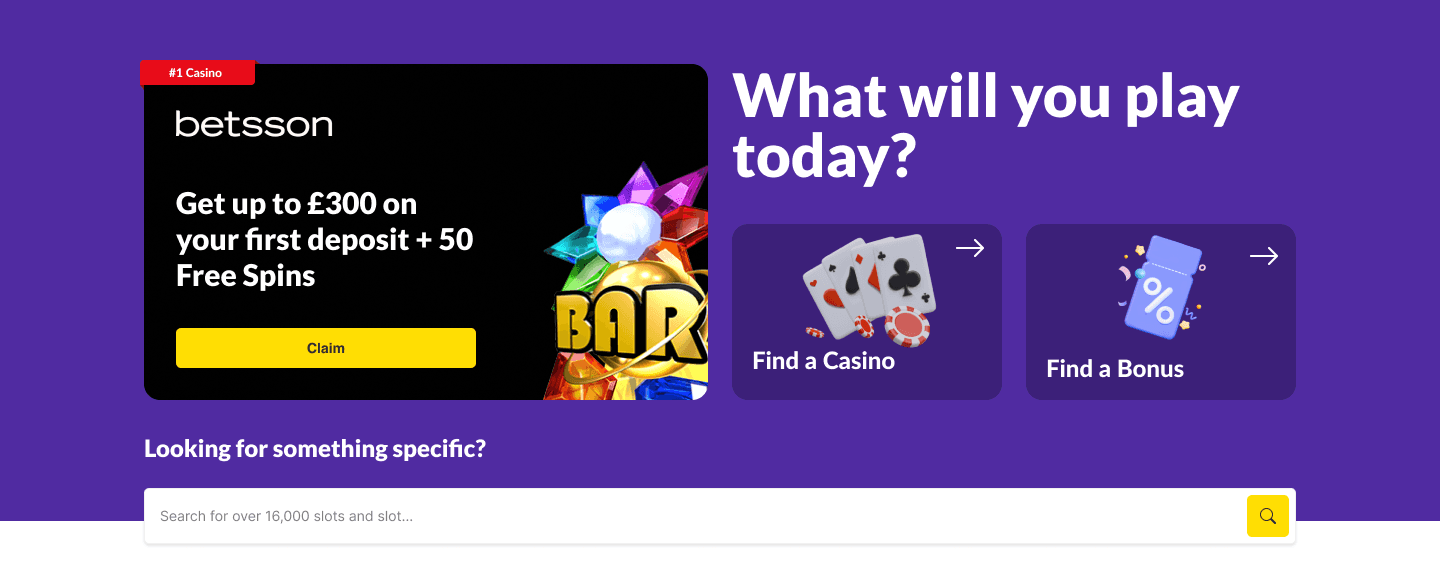
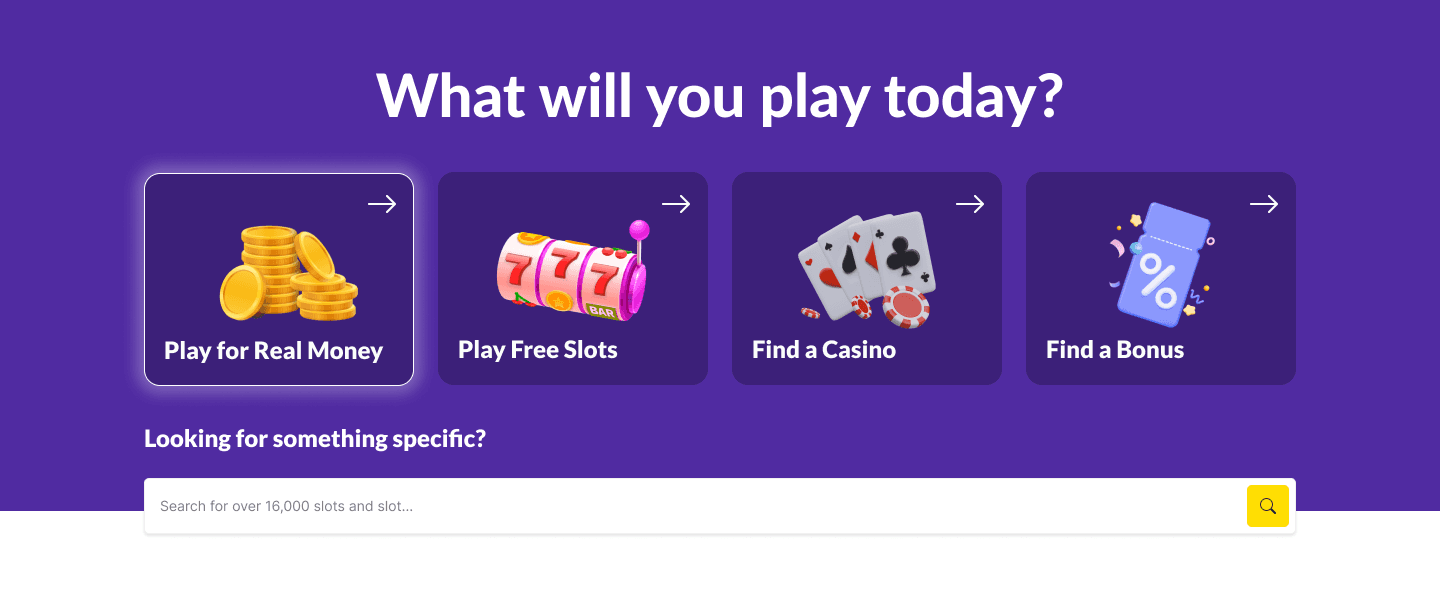
I proposed two key variants built on a shared grid structure. The first was a hybrid layout combining one promotional card with internal CTAs. The second was an editorial-only version, CTAs only, designed for regulated markets where promotions are not permitted. Both variants were reviewed weekly with Product and Tech to confirm feasibility at each stage before moving forward. Both versions used the same underlying component structure, which meant they could be developed, maintained, and updated through the CMS without duplicating effort.

The modular approach also solved a practical problem that had been creating friction: inconsistent promo assets from partners made manual QA a constant overhead. A semi-transparent gradient overlay on the hybrid version handled legibility across unpredictable image combinations without requiring case-by-case intervention.

The outcome

What the A/B test showed

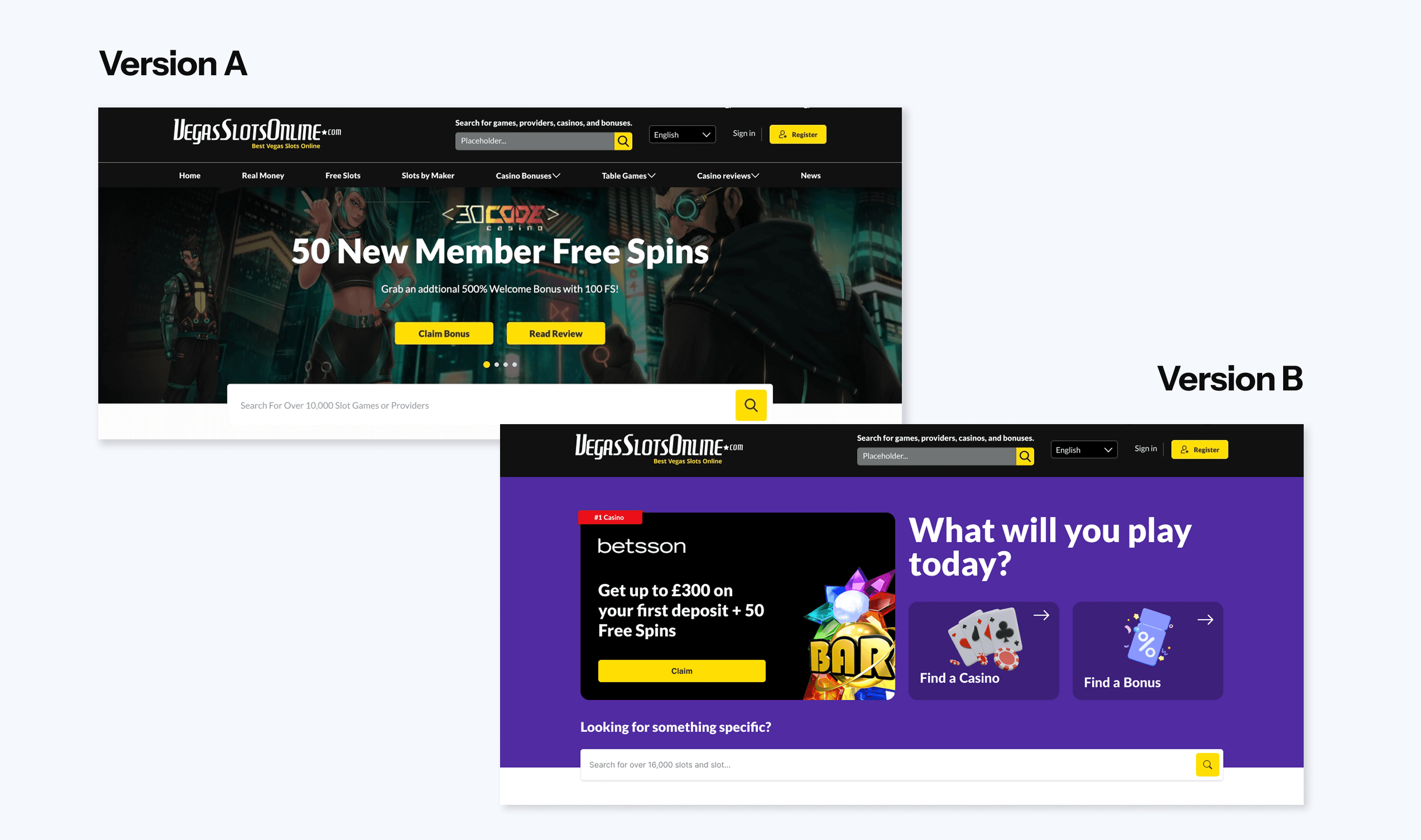
We A/B tested the hero section across three markets: UK, New Zealand and the US. Version A was fully promotional. Version B was the hybrid layout. The hybrid drove higher engagement and conversion across all three.

In New Zealand, bounce rate dropped 8.5% and clickouts increased 2.8%. In the US, clickouts rose 3% and conversion to real money pages increased 13%. The editorial-only variant performed consistently with the hybrid in markets where promotional content was restricted.

Takeaway

What this project makes visible

Hero sections become invisible when they stop reflecting how users actually behave. The carousel was not underperforming because users disliked promotions. It was underperforming because it was not designed around what users were trying to do when they arrived. Aligning the design with that intent, and giving the commercial layer a clearer structure to work within, was what moved the numbers. Modular, regulation-adaptable components also reduce the cost of every future iteration and remove the overhead of market-by-market customisation.

The approach

Two variants, one shared system

I proposed two key variants built on a shared grid structure. The first was a hybrid layout combining one promotional card with internal CTAs. The second was an editorial-only version, CTAs only, designed for regulated markets where promotions are not permitted. Both variants were reviewed weekly with Product and Tech to confirm feasibility at each stage before moving forward. Both versions used the same underlying component structure, which meant they could be developed, maintained, and updated through the CMS without duplicating effort.

The modular approach also solved a practical problem that had been creating friction: inconsistent promo assets from partners made manual QA a constant overhead. A semi-transparent gradient overlay on the hybrid version handled legibility across unpredictable image combinations without requiring case-by-case intervention.

The approach

Two variants, one shared system

I proposed two key variants built on a shared grid structure. The first was a hybrid layout combining one promotional card with internal CTAs. The second was an editorial-only version, CTAs only, designed for regulated markets where promotions are not permitted. Both variants were reviewed weekly with Product and Tech to confirm feasibility at each stage before moving forward. Both versions used the same underlying component structure, which meant they could be developed, maintained, and updated through the CMS without duplicating effort.

The modular approach also solved a practical problem that had been creating friction: inconsistent promo assets from partners made manual QA a constant overhead. A semi-transparent gradient overlay on the hybrid version handled legibility across unpredictable image combinations without requiring case-by-case intervention.

The outcome

What the A/B test showed

We A/B tested the hero section across three markets: UK, New Zealand and the US. Version A was fully promotional. Version B was the hybrid layout. The hybrid drove higher engagement and conversion across all three.

In New Zealand, bounce rate dropped 8.5% and clickouts increased 2.8%. In the US, clickouts rose 3% and conversion to real money pages increased 13%. The editorial-only variant performed consistently with the hybrid in markets where promotional content was restricted.

The outcome

What the A/B test showed

We A/B tested the hero section across three markets: UK, New Zealand and the US. Version A was fully promotional. Version B was the hybrid layout. The hybrid drove higher engagement and conversion across all three.

In New Zealand, bounce rate dropped 8.5% and clickouts increased 2.8%. In the US, clickouts rose 3% and conversion to real money pages increased 13%. The editorial-only variant performed consistently with the hybrid in markets where promotional content was restricted.

Takeaway

What this project makes visible

Hero sections become invisible when they stop reflecting how users actually behave. The carousel was not underperforming because users disliked promotions. It was underperforming because it was not designed around what users were trying to do when they arrived. Aligning the design with that intent, and giving the commercial layer a clearer structure to work within, was what moved the numbers. Modular, regulation-adaptable components also reduce the cost of every future iteration and remove the overhead of market-by-market customisation.

Takeaway

What this project makes visible

Hero sections become invisible when they stop reflecting how users actually behave. The carousel was not underperforming because users disliked promotions. It was underperforming because it was not designed around what users were trying to do when they arrived. Aligning the design with that intent, and giving the commercial layer a clearer structure to work within, was what moved the numbers. Modular, regulation-adaptable components also reduce the cost of every future iteration and remove the overhead of market-by-market customisation.